
Hair Transplant Turkey: What to Expect
A hair transplant in Turkey is a surgical hair restoration option where follicles are moved from a donor area, usually the back or sides of the scalp, into thinning or balding areas. Many people consider Turkey because clinics often combine treatment, hotel stays, transfers, and aftercare into one travel-friendly plan, but the medical quality can vary widely. The most important thing to expect is not just a trip for an affordable hair transplant, but a medical procedure that requires careful clinic selection, realistic goals, and proper recovery time.
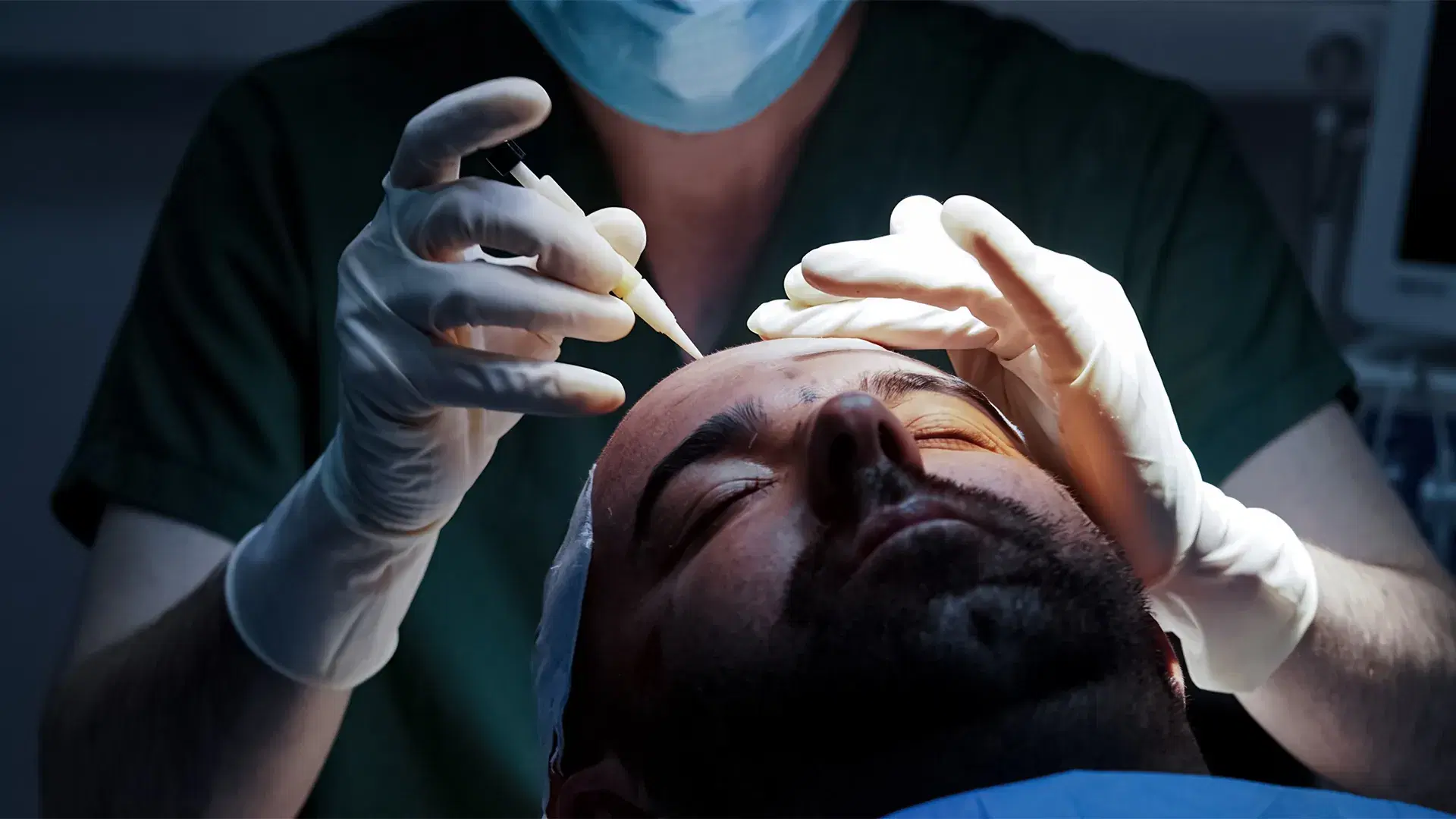
What is a hair transplant in Turkey?
A hair transplant in Turkey is the same core procedure offered elsewhere: healthy hair follicles are harvested from a donor area and implanted where hair density is reduced. The difference is usually the setting, price structure, and medical tourism experience. A hair transplant in Turkey package may include airport transfers, accommodation, translation support, pre-operative checks, the procedure, medication, and follow-up instructions.
Hair transplantation is generally used for pattern hair loss, receding hairlines, thinning crowns, and selected cases of scarring hair loss. It does not create unlimited new hair. Instead, it redistributes existing donor hair, so the quality of the result depends on donor density, hair type, hair loss pattern, surgical planning, and the skill of the medical team.
A turkey hair transplant can be a good fit for some patients, but it is not automatically the right choice for everyone. Reputable clinics should assess your hair loss history, age, donor supply, scalp health, medication use, expectations, and long-term hair loss pattern before recommending surgery.
Sapphire FUE Hair Transplant
Are you fed up with hair loss. Seeking a solution that provides outcomes without significant scarring? Consider trying Sapphire FUE Hair Transplant. This innovative method of hair restoration utilizes sapphire blades to make incisions leading to an authentic hairline and quicker healing process.
Learn More →Female Hair Transplant
Losing hair can be really tough, for women. Unlike men women tend to have thinning hair over their head than just, in one spot. This makes getting a hair transplant as a woman quite different and tailored to needs. The treatment provides a lasting fix to not bring back hair but also boost self assurance.
Learn More →Unshaven Hair Transplant in Turkey
Unshaven hair transplant procedures in Turkey for patients who prefer to undergo hair restoration without fully shaving their existing hair.
Learn More →DHI Hair Transplant in Turkey
DHI hair transplant in Turkey is a hair restoration procedure in which individual follicular units are harvested from a donor area and implanted into thinning or bald areas, commonly with the help of a specialized implanter pen.
Learn More →FUE Hair Transplant in Turkey
FUE hair transplant procedures in Turkey for patients experiencing hair thinning, receding hairlines, or different patterns of hair loss.
Learn More →The defining features of hair restoration Turkey
Hair restoration Turkey is often associated with convenience and bundled pricing, but the defining feature should be medically planned follicle transfer, not tourism marketing. A safe clinic should explain who performs each stage of the procedure, what technique is recommended, and what aftercare you will need once you return home.
Key characteristics usually include:
Donor-to-recipient hair movement: Follicles are taken from an area less affected by pattern hair loss and placed into thinning areas.
A surgical setting: Even when minimally invasive, a hair transplant is still a medical procedure with infection, scarring, bleeding, and graft-survival considerations.
Technique selection: Clinics may recommend FUE, FUT, DHI-style implantation, or another variation depending on your case.
Density planning: Good results depend on natural angles, appropriate hairline design, and conservative use of donor grafts.
A long result timeline: Early shedding is common, and visible cosmetic change develops gradually over months rather than days.
Aftercare responsibility: Washing, sleeping position, sun avoidance, exercise limits, and follow-up all affect recovery.
The best way to understand hair transplant Turkey options is to think of them as medical services first and travel packages second. A low price means little if the treatment plan is rushed, the surgeon is unclear, or the clinic cannot explain the limits of your donor area.
How does the procedure usually work?
Most hair transplant in Turkey journeys begin with an online consultation. You may be asked to send photos of your hairline, crown, donor area, and scalp from multiple angles. A responsible clinic will also ask about your medical history, previous hair loss treatment, medications, allergies, and whether your hair loss is stable.
Once you arrive, the clinic typically confirms the plan in person. This may include blood tests, scalp examination, hairline design, graft estimate, consent forms, and pre-operative photos. Local anesthesia is commonly used, so you are awake during the procedure but the treated areas are numbed.
A typical process may include:
Consultation and planning The team evaluates your hair loss pattern and agrees on the recipient area, hairline shape, and approximate graft number.
Donor area preparation The donor area is trimmed or shaved depending on the technique and clinic protocol.
Follicle extraction In FUE-style procedures, individual follicular units are removed from the donor area. In FUT, a strip of scalp is removed and dissected into grafts, although FUE is more commonly marketed in medical tourism.
Recipient site creation or implantation The clinic creates channels or places follicles into thinning areas at specific angles and densities.
Bandaging and recovery instructions You leave with instructions on washing, medication, sleeping, swelling, and what to avoid.
Early follow-up Some packages include a next-day wash or check-up before you fly home.
The procedure can take many hours depending on the number of grafts and technique used. If a clinic promises extremely high graft numbers in a very short time, ask how donor safety, graft handling, and medical supervision are protected.
Hair transplant cost and package expectations
Hair transplant cost is one of the main reasons people search for an affordable hair transplant abroad. In Turkey, many clinics advertise bundled pricing rather than charging separately for each appointment, facility fee, or support service. That can make planning simpler, but it can also make it harder to compare medical quality unless you look beyond the headline price.
A hair transplant in Turkey package may include:
Online consultation before travel
Airport transfers
Hotel accommodation
Interpreter or patient coordinator support
Blood tests or basic pre-operative screening
The hair transplant procedure
Post-operative wash or check-up
Medication, shampoo, or care products
Written aftercare instructions
The package may not include flights, extra hotel nights, treatment for complications, revision surgery, travel insurance, ongoing hair loss medication, or follow-up care in your home country. Before booking, ask for a written breakdown. A lower upfront price may become less attractive if aftercare is vague or if you have to manage complications far from the operating clinic.
Cost should never be the only filter. The International Society of Hair Restoration Surgery warns patients to be cautious of unlicensed individuals performing surgical parts of hair restoration and advises people traveling abroad to know who the doctor is and what role they play.
The benefits and limits of choosing Turkey
Turkey is popular for hair loss treatment because many clinics are set up for international patients. The experience can feel streamlined: consultation by message, quick scheduling, airport pickup, hotel coordination, and a short clinic itinerary. For someone who has already researched the procedure carefully, this convenience can be appealing.
Possible benefits include:
Bundled logistics: Travel, transfers, and clinic visits may be coordinated for you.
Lower advertised pricing: Many patients compare Turkey with local private-clinic pricing and find package offers more accessible.
High clinic volume: Some providers have extensive experience with international patients.
Multiple technique options: Clinics may offer FUE, sapphire FUE, DHI-style implantation, beard grafts, or combined plans.
Short travel itinerary: Many patients plan treatment over a few days, although healing continues long after returning home.
The limits matter just as much. Hair restoration is not a one-size-fits-all cosmetic upgrade. If your donor area is weak, your hair loss is still progressing quickly, or your expectations require more grafts than your scalp can safely provide, surgery may not deliver the result you imagine. Some people need medical therapy first, a staged plan, or no surgery at all.
What should you expect after the procedure?
After a hair transplant in Turkey, expect the first week to focus on swelling, redness, scabbing, careful washing, and protecting the grafts. The transplanted hairs may shed in the early weeks, which can feel discouraging but is commonly part of the growth cycle. Cosmetic improvement is gradual, and the final look takes time to mature.
The American Society of Plastic Surgeons describes hair transplant recovery as dependent on the extent and complexity of the procedure, and notes that some patients may need a touch-up for more natural results after healing. That is why good clinics avoid guaranteeing perfection and instead explain likely density, timeline, and limitations.
Common recovery expectations include:
First 24 to 72 hours: Tenderness, tightness, swelling, and instructions to sleep with the head elevated.
First week: Scabs form around grafts and careful washing begins according to clinic guidance.
Weeks two to eight: Many transplanted hairs shed while follicles remain beneath the skin.
Months three to six: Early new growth may appear, often thin or uneven at first.
Months six to twelve and beyond: Density and texture usually continue improving, depending on your biology and treatment plan.
You should also expect restrictions. Clinics commonly advise avoiding strenuous exercise, swimming, alcohol, smoking, direct sun, and scratching during early healing. Follow the instructions from your own medical team, because timelines can vary based on technique, graft count, and personal risk factors.
Risks, safety checks, and red flags
A hair transplant is usually considered safe when performed by qualified and experienced professionals, but all surgery carries risk. Possible complications include infection, bleeding, scarring, poor graft growth, unnatural density, shock loss, numbness, and the need for correction. The NHS notes that a transplant may not take, hair can fall out, or a noticeable scar can form.
Use this checklist before choosing a clinic:
Confirm the doctor’s identity. Know the surgeon’s full name, qualifications, and role during the procedure.
Ask who extracts and implants grafts. Avoid vague answers such as “our team handles it” without medical supervision details.
Request a personalized plan. Be cautious if every patient receives the same graft number or hairline design.
Check facility standards. The procedure should take place in an appropriate clinical setting, not a hotel room or informal office.
Review real expectations. A trustworthy provider explains density limits, donor preservation, and the possibility of future hair loss.
Understand aftercare. You need clear instructions and a way to contact the clinic after returning home.
Avoid pressure tactics. Discounts that require immediate booking can push you into a rushed medical decision.
The biggest misconception about hair transplant Turkey is that the destination itself determines quality. It does not. Turkey has skilled surgeons and serious clinics, but it also has high-volume operators where marketing may be stronger than medical transparency.
Practical examples of good and poor fit
A hair transplant may make sense for a person with stable pattern hair loss, a strong donor area, realistic expectations, and a clear understanding that future loss may still need treatment. It may also help someone restore a hairline, improve crown coverage, or revise selected thinning areas when donor supply allows.
It may be a poor fit if you are very young with rapidly changing hair loss, have an untreated scalp condition, expect teenage-level density, or want a one-day solution to a progressive condition. It may also be risky if you cannot stay long enough for early follow-up, cannot follow aftercare instructions, or do not have access to medical help if complications appear after travel.
Common misconceptions include:
“More grafts always means better results.” Overharvesting can damage the donor area and limit future options.
“The cheapest package is the best deal.” Poor planning can lead to correction costs, visible scarring, or unnatural growth.
“Results are instant.” The visible change happens slowly, often after an initial shedding phase.
“A transplant stops hair loss.” Transplanted follicles may remain, but non-transplanted hair can continue thinning.
“All clinics in Turkey are the same.” Surgeon involvement, ethics, planning, hygiene, and follow-up vary.
A clear way to decide
If you are considering hair transplant turkey options, start with diagnosis before price. Find out why you are losing hair, whether non-surgical hair loss treatment could help, and whether your donor area can support the result you want. Then compare clinics based on medical transparency, not just hotel quality or airport pickup.
A sensible decision process looks like this:
Get a diagnosis for your hair loss.
Learn whether medication, topical treatment, or waiting is appropriate.
Compare several clinics and ask the same safety questions.
Confirm who performs the surgical steps.
Review before-and-after examples that match your hair type and loss pattern.
Get the full package terms in writing.
Plan recovery time after you return home.
A hair transplant in Turkey can be a practical route to hair restoration when the clinic is ethical, the surgeon is involved, and the plan fits your long-term hair loss pattern. Treat it as surgery, not a bargain holiday, and you will be better prepared to choose safely, recover properly, and judge results with realistic expectations.
Free, photo-based, answered by our specialists within 24 hours.