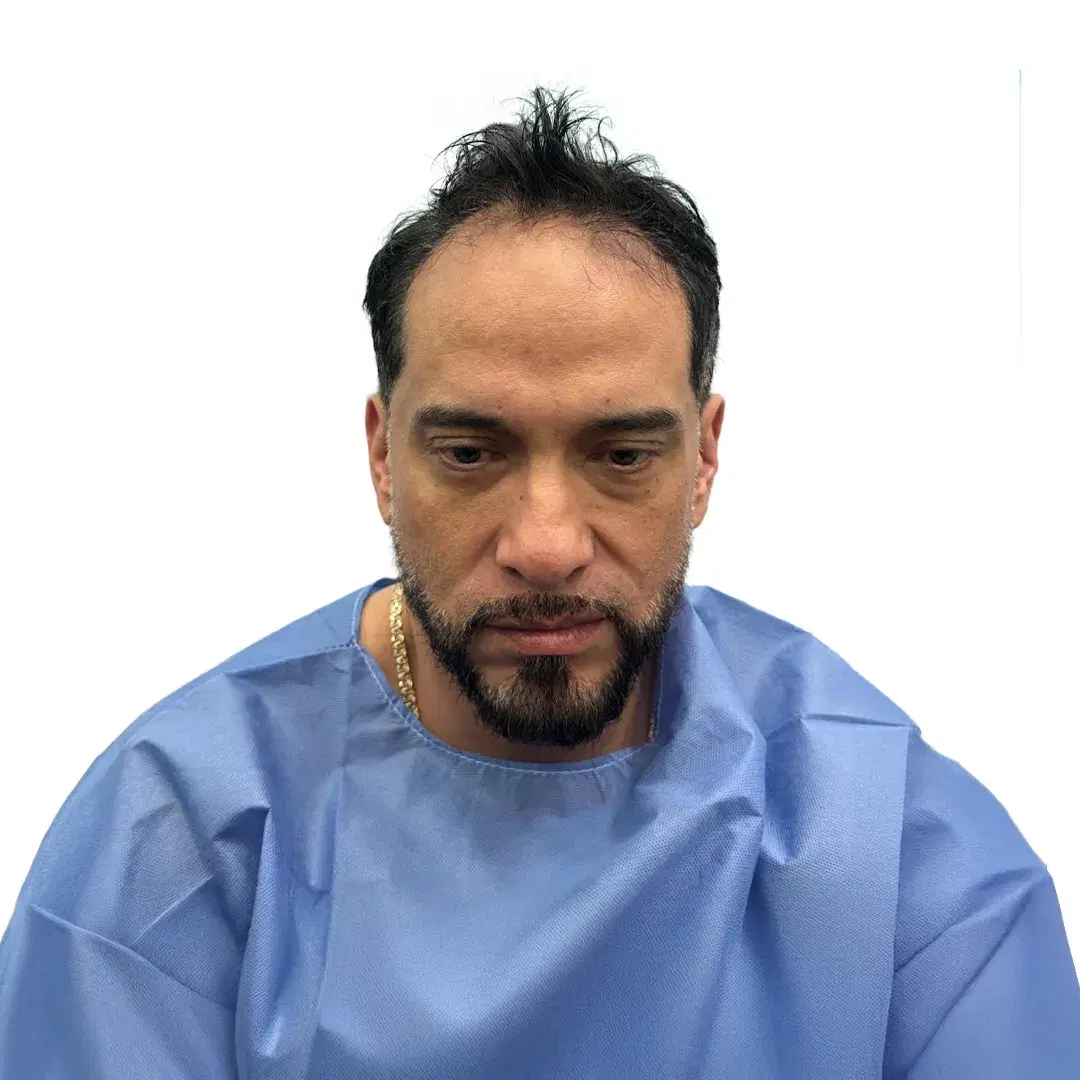

3,000 grafts · DHI
12 Month
Khalid Al-Harthy

Specialized hair transplant in Istanbul/Turkey with personalized care for international patients.
Estheticana provides hair transplant and aesthetic surgery services in Turkey for local and international patients. Treatment options include hair restoration procedures, beard and eyebrow transplantation, cosmetic surgery, dental treatments, and medical aesthetic applications.
operations a day.
Never more.
Critical stages by specialists only.
Maximum grafts, one fixed price.
Limited monthly availability — assessments answered within 24 hours.
292K+
INSTAGRAM COMMUNITY
16+
YEARS OF EXPERIENCE
50.000+
PATIENTS WELCOMED
30+
COUNTRIES SERVED
5
LANGUAGES SPOKEN
292K+
INSTAGRAM COMMUNITY
16+
YEARS OF EXPERIENCE
50.000+
PATIENTS WELCOMED
30+
COUNTRIES SERVED
5
LANGUAGES SPOKEN
THE BOUTIQUE DIFFERENCE
Not a hair mill. By design.
5
operations per day, maximum
A deliberately limited schedule so every operation gets unhurried attention.
specialist-led critical stages
Hairline design and channel opening are never delegated away from our specialists.
dedicated coordinator
One person who speaks your language, from first message to final follow-up.
37
verified patient reviews
Independently published on Google and Trustpilot — read them before you decide.
REAL RESULTS
3,000 grafts · DHI
12 Month
Khalid Al-Harthy
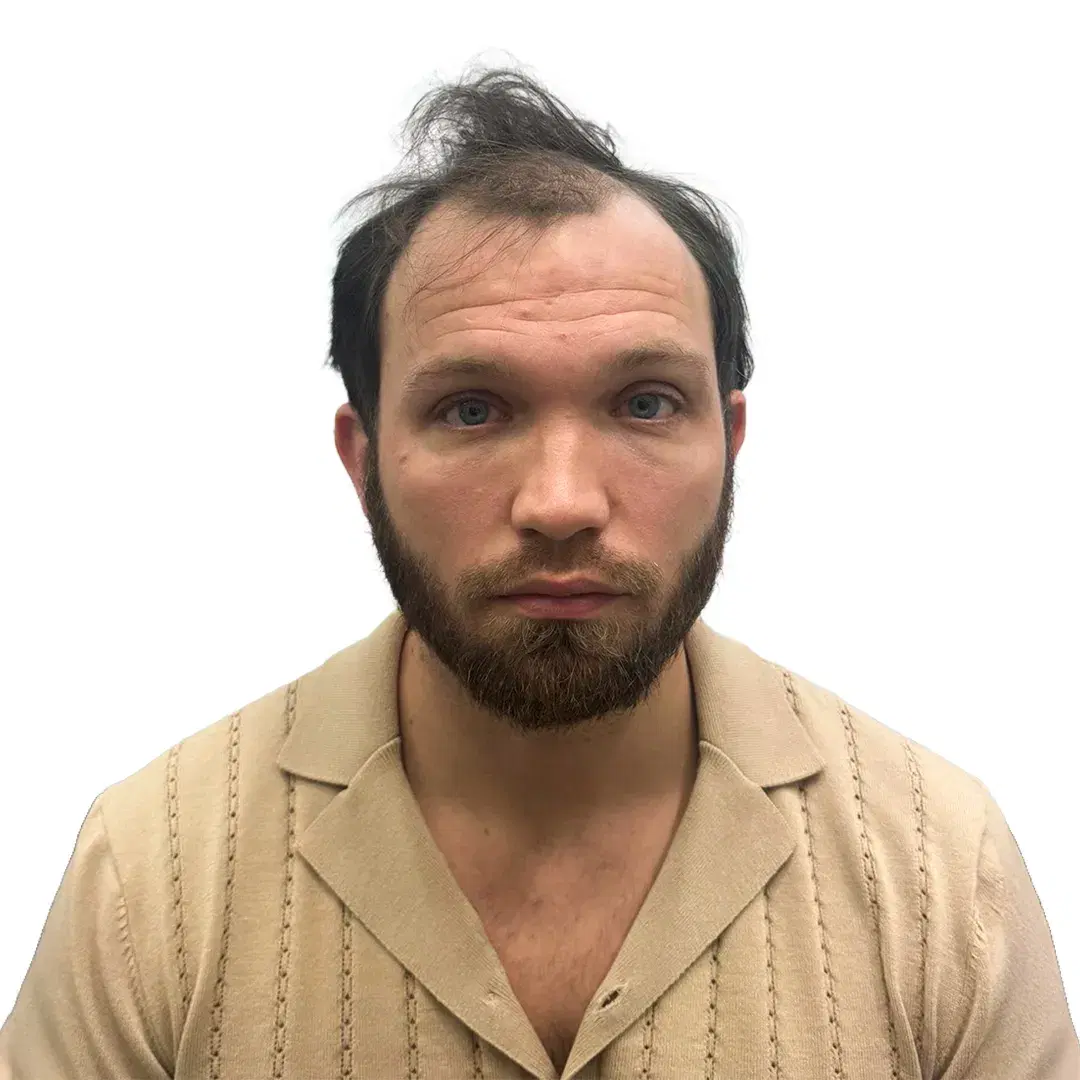

3,800 grafts · DHI
12 Month
David Miller
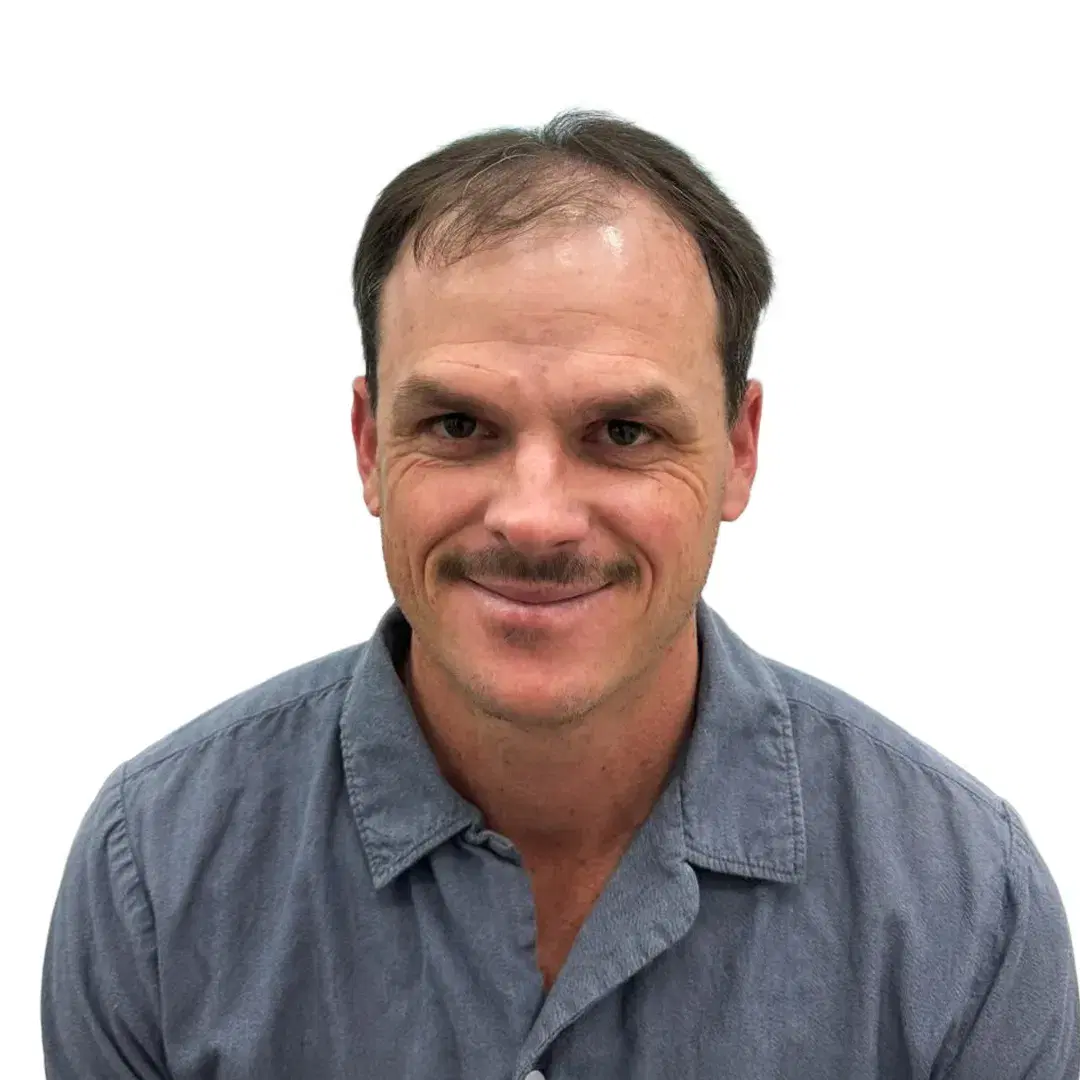

3,800 grafts · DHI
12 Month
Julien Dupont

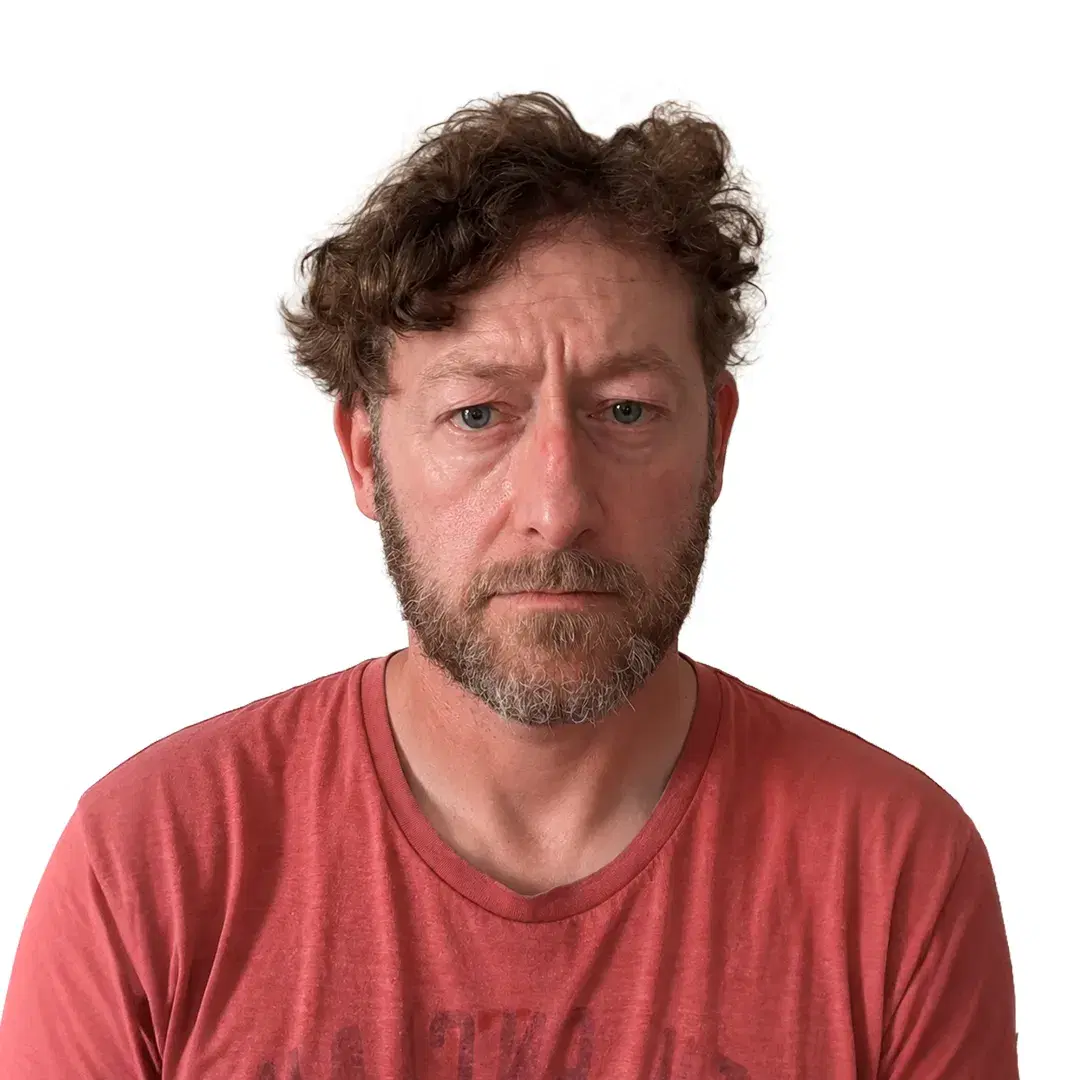
4,000 grafts · DHI
12 Month
Christopher Smith
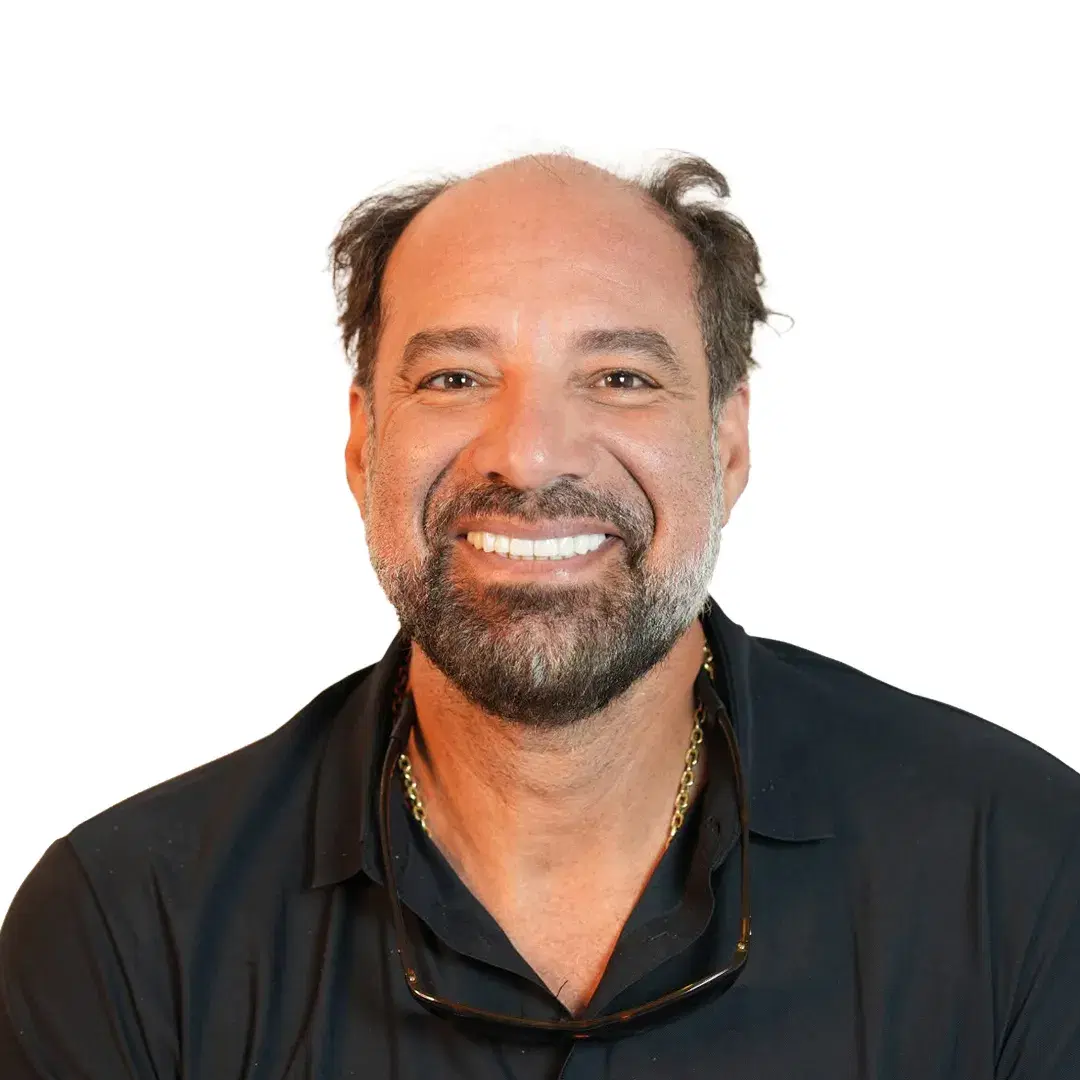

5,700 grafts · DHI
12 Month
James Anderson
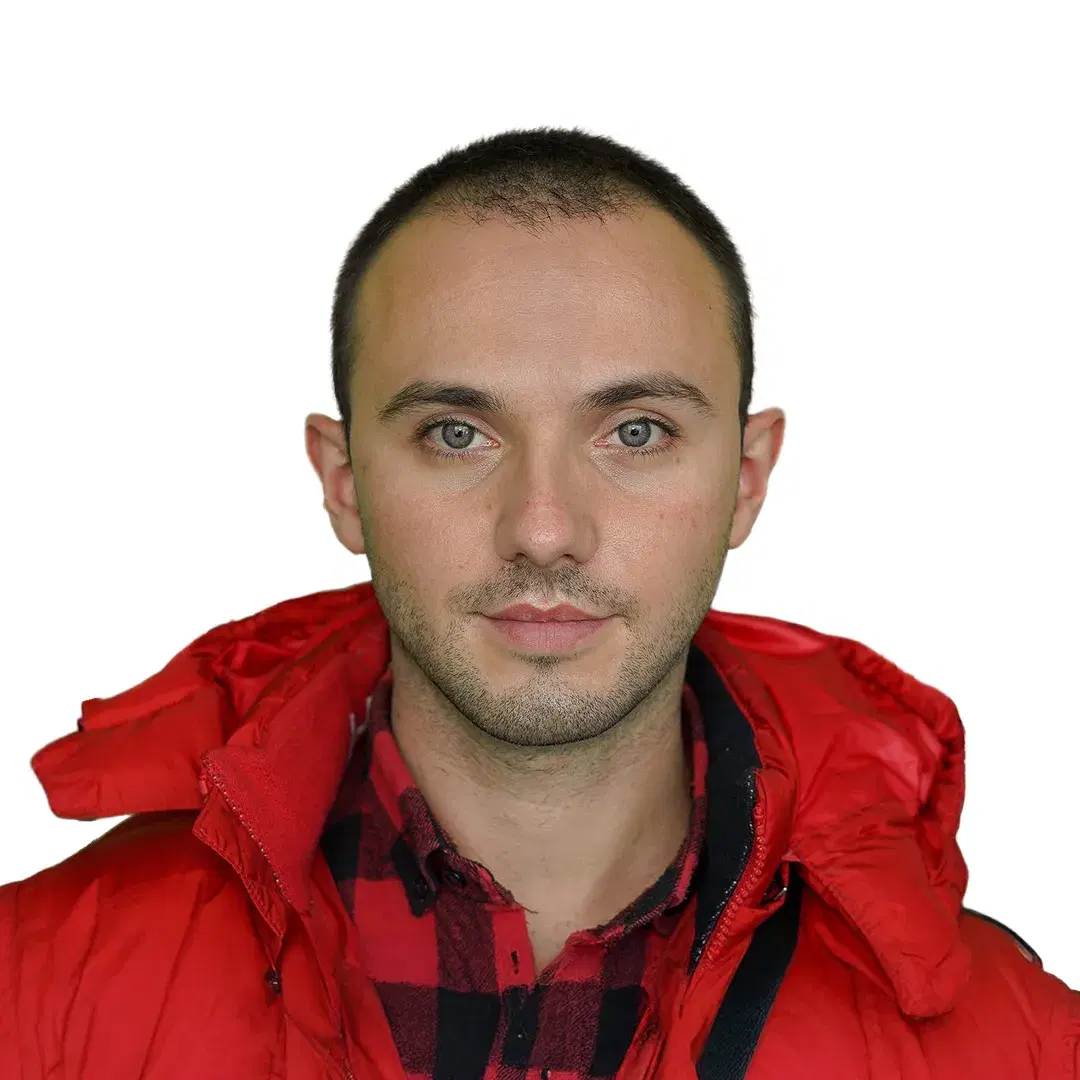
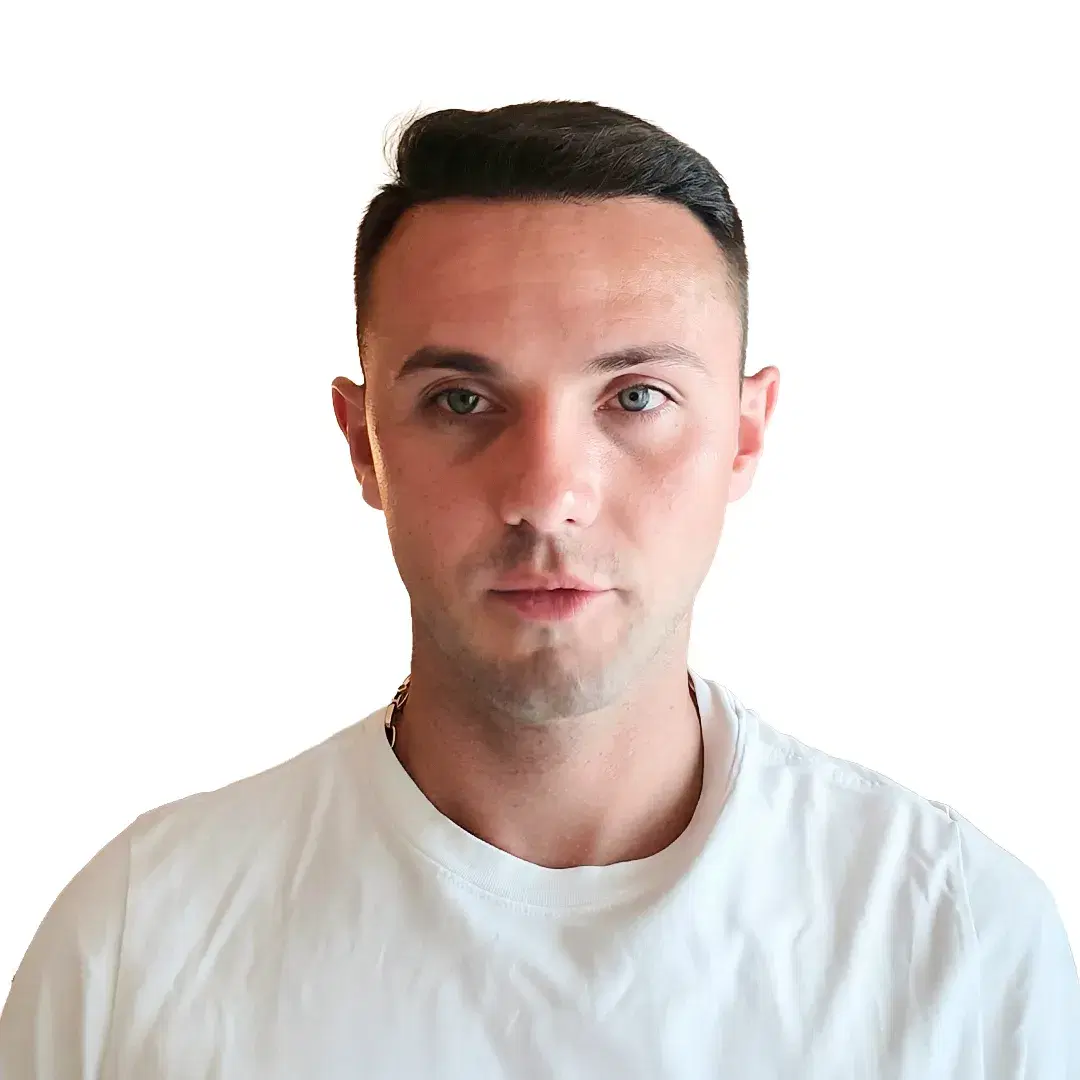
3,000 grafts · DHI
12 Month
Maximilian Weber
IN THEIR OWN WORDS
Patients tell it better than we can.
YOUR TREATMENT ITINERARY
ONE PRICE, EVERYTHING IN IT
Operation — maximum grafts your donor area allows
Hotel stay in Istanbul [DOLDUR: nights & hotel tier]
VIP transfers: airport ↔ hotel ↔ clinic
Dedicated coordinator in your language
Blood tests & pre-op checks
Medications & full aftercare kit
First wash & bandage removal at the clinic
[DOLDUR: PRP session — varsa]
12-month remote follow-up plan
No per-graft fees. No surprise add-ons at the clinic.
BEFORE YOU ASK
Hair transplantation redistributes existing follicles rather than creating new ones. Follicular units are removed from a donor region where hair is considered more suitable for transplantation and transferred to thinning or bald areas.
In FUE, follicular units are individually extracted using small punches rather than removing a strip of scalp. Small extraction sites are left throughout the donor area, which means FUE does not create the long linear scar associated with strip surgery. It should not, however, be described as completely scarless. Tiny extraction scars and visible donor thinning can occur, particularly if too many follicles are removed from a limited area.
Once extracted, grafts are prepared and implanted according to the planned density, direction and angle. These details are especially important around the frontal hairline, where even healthy surviving grafts can look artificial if they have been placed in an unnatural pattern.
Suitability depends on the cause and pattern of hair loss as well as the quality of the donor area. A person may have extensive baldness but insufficient donor density to provide the coverage they expect. Conversely, someone with a smaller area of loss and stable donor hair may have more realistic options.
A hair transplant may be considered when factors such as these are present:
A suitable donor area with enough density and hair calibre to provide useful coverage without excessive depletion.
A recognizable and appropriately diagnosed pattern of hair loss for which surgical restoration is considered reasonable.
Realistic expectations about density, particularly when the bald or thinning area is large.
A hairline plan appropriate for the patient's age and facial proportions, rather than an excessively low juvenile hairline.
Stable enough scalp and hair-loss conditions to allow meaningful long-term planning.
General health compatible with a surgical procedure following individual medical assessment.
An understanding that native hair can continue thinning after transplantation even if transplanted follicles remain.
Willingness to follow postoperative instructions and attend follow-up, including longer-term review when needed.
Some causes of hair loss require medical treatment or a period of stability before transplantation should even be considered. This is particularly relevant when loss is diffuse, inflammatory or associated with scarring disorders.
Not exactly, although these terms are often marketed as if they describe two completely separate operations.
FUE primarily describes the way follicular units are harvested from the donor area. In a procedure promoted as DHI, graft extraction may still be performed using an FUE approach. The difference is usually found in the implantation stage, where a pen-style implanter can be used to place grafts into the recipient area. Implanter devices are one of several methods available for graft placement.
This means the question “Is DHI or FUE better?” can be misleading. A patient may actually receive FUE harvesting followed by implanter-assisted placement.
The quality of the result depends on much more than the name attached to the technique. Donor management, graft handling, hairline design, recipient-site planning, direction and surgical judgment all matter. A technique label by itself cannot guarantee higher density or better graft survival.
There is no standard graft number that suits every patient.
The number depends on the size of the thinning area, desired coverage, existing native hair, donor density, hair calibre and future hair-loss pattern. A person with coarse, wavy hair can sometimes obtain the appearance of greater coverage with fewer follicles than someone with fine, straight hair because individual hairs create different visual effects.
The most important limitation is the donor area. It is a finite resource.
Advertising very large graft numbers can sound attractive, but maximizing extraction is not automatically beneficial. Excessive FUE harvesting can leave visible thinning, irregular density or a moth-eaten appearance in the donor region. Recent evidence continues to identify overharvesting as one of the characteristic donor-site complications of FUE.
A sensible plan asks how many grafts can be used safely, not simply how many can physically be removed in one day.
Transplanted follicles can provide long-lasting growth, but calling the entire result permanently unchanged is too simplistic.
Hair loss is an ongoing biological process. The transplant redistributes selected follicles, but untreated native hair elsewhere on the scalp may continue to miniaturize. This can gradually create new gaps behind or between transplanted areas.
That is why younger patients with active hair loss need particularly thoughtful planning. Using most of the available donor supply to build very high density in the frontal area can leave fewer options if significant thinning later develops across the mid-scalp or crown.
Medical management may be discussed for suitable patients when ongoing pattern hair loss needs attention. The choice of medication requires an individual clinical assessment because benefits, contraindications and adverse effects vary.
The most sustainable strategy considers both the hair present today and the pattern that may develop over time.
Maximum density is not always a sensible objective.
The appearance of fullness depends on several interacting factors, including hair calibre, colour contrast between hair and scalp, curl, graft distribution and existing native hair. Simply placing more grafts does not guarantee a better-looking outcome.
There are also biological and donor limitations. Recipient areas require sensible spacing, and every additional graft used today comes from the patient's finite donor reserve.
Some patients with advanced hair loss may achieve a better overall appearance by prioritizing the frontal and mid-scalp regions rather than attempting equal density everywhere. Others may prefer a staged strategy.
A realistic hair transplant consultation should explain coverage and density separately. Covering a large bald area and recreating original teenage density are very different goals.
International treatment adds travel and follow-up considerations to the normal surgical decision. Current Turkish health-tourism rules include an authorization framework for healthcare providers serving international patients, with the currently published authorized-provider information updated on July 28, 2026.
Before arranging a hair transplant in Turkey, patients should clarify:
Who evaluates the cause and pattern of hair loss before the procedure is approved.
Who performs the key surgical stages, including donor extraction, recipient planning and graft placement.
How the proposed graft number was calculated and how donor density will be preserved.
Whether FUE, implanter-assisted placement or another method is planned, and what each technique means in practical terms.
How the hairline will be designed for long-term ageing, rather than only for the first postoperative photograph.
What postoperative follow-up is included once the patient has returned home.
What happens if a complication or unexpected healing problem develops after travel.
Whether the treating healthcare facility holds the current authorization required for international health-tourism care.
Authorization is an important administrative check, but it does not by itself guarantee a particular aesthetic result. Surgical planning, donor conservation and continuity of care still need to be evaluated individually.
There is no single hair transplant cost in Turkey that applies to every patient.
Pricing can change according to the extent of hair loss, treatment plan, procedural technique, clinical setting and what is included in the package. A smaller frontal restoration and an extensive transplant involving several thousand grafts are not equivalent procedures.
Patients should also be cautious about choosing treatment according to a quoted graft number alone. Two people receiving the same number of grafts can have very different outcomes because donor quality, hair calibre, design and graft distribution differ.
For someone comparing an Estheticana hair transplant plan with other options, the useful question is not only “What does it cost?” but “What exactly is being planned for my donor area and future hair loss?”
A lower price loses its appeal quickly if correcting an unnatural hairline or depleted donor area later becomes difficult.
Free, photo-based, answered by our specialists within 24 hours.